Why Men and Women Handle Stress Differently
by Michele Vincent, LISW-CP, LCSW
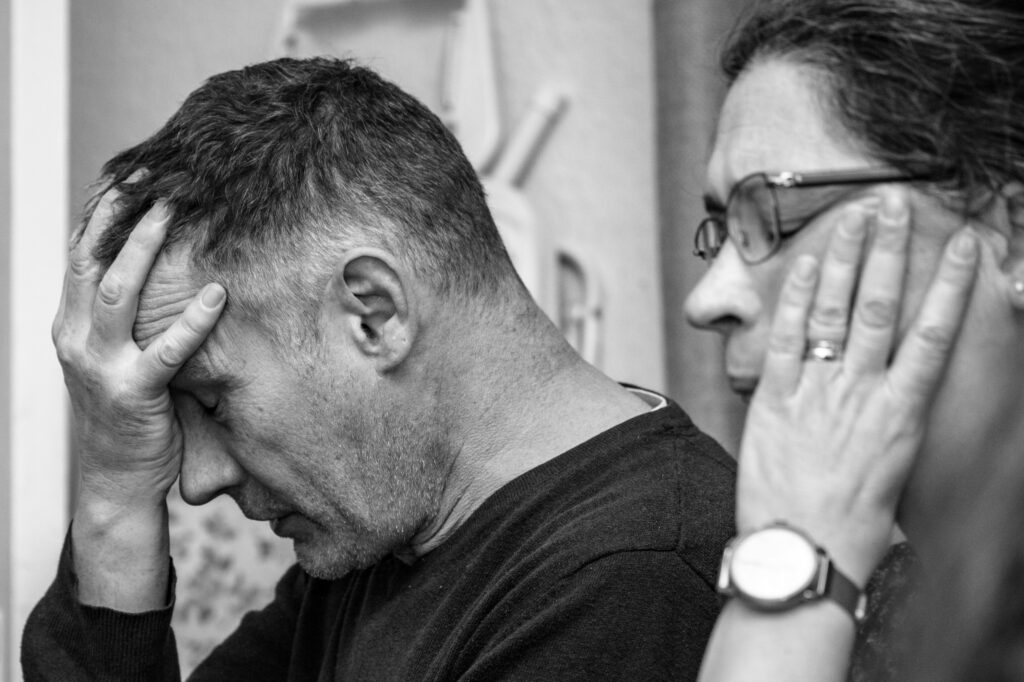
After a brutal week, one partner wants to talk it through. The other heads for the garage, the gym, or the laptop.
Neither response is wrong, since both are ways of settling a nervous system that has been pushed too hard. The differences between men and women are real, but they are patterns rather than rules, and plenty of people land on the other side of them.
The Body Answers First
Stress starts in the body before it becomes a thought. The heart speeds up, the jaw tightens, the breath goes shallow, and sleep gets thin. The body tends to hold on to what the mind tries to set aside, and that is a useful lens here. Men and women feel the same alarm, but the difference shows up in what each does next.
Where Many Men Go
Many men were raised to solve problems alone and to stay steady while doing it. Composure got praised, and needing help got quietly discouraged. So stress goes inward and comes out sideways: long hours, harder workouts, a drink to wind down, a short fuse at home.
Anger is often the first emotion that gets noticed, partly because it was one men were allowed to have. Underneath it, there is frequently worry, shame, or plain exhaustion that never got named. For high-achieving men, the pull is to work harder, which can look like success while the strain keeps building.
Asking for help can feel like conceding something, so the stress stays private and grows. A man may not recognize it as stress at all. He may just know he is short with the kids, sleeping badly, and less interested in the things he used to enjoy.
Where Many Women Go
Many women respond to stress by caring for others and reaching toward connection. For them, talking is often how stress gets processed and being heard is what brings the body down. Being listened to without being rushed toward a fix can bring real relief.
There is a cost, too, because women often carry the planning, the worrying, and the emotional temperature of a household on top of a career. Their own stress can get overlooked, even by them, until it turns into rumination, irritability, or a constant sense of being behind.
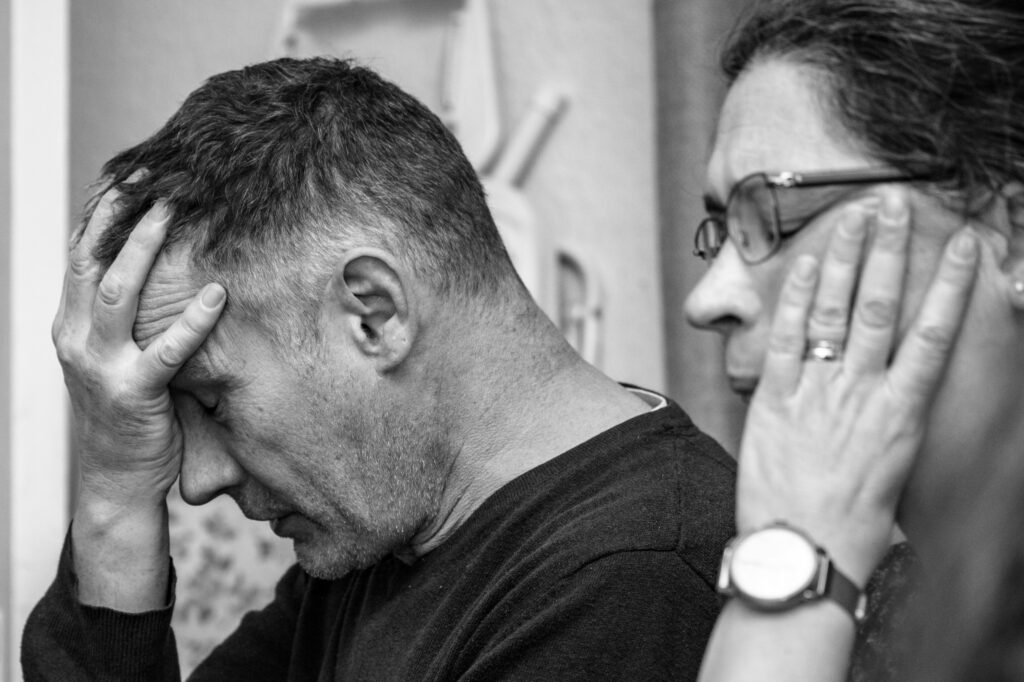
Photo credit: Paddy O Sullivan
When the Two Styles Collide
Picture a couple after a hard week. She asks what is wrong, then asks again, and he says he is fine and goes quiet. She hears distance, while he hears pressure, and each is trying to help in the only way that feels natural. Neither one is failing.
When a couple can see that one partner is reaching for connection to calm down while the other is reaching for space to calm down, the fight about who cares more tends to lose its fuel, and a more useful conversation about timing and need can begin.
Left alone, the pattern solidifies: The more she pursues, the more he withdraws, and the more he withdraws, the harder she pursues. The pattern itself becomes the problem.
Building a Wider Range
The aim is to widen the range for everyone. Therapy can help people see their own strengths and what makes them individual, then add options alongside the habits that already work. That might mean catching the early signs of tension, finding words for what sits under the irritability, or learning to ask for space and closeness in plain terms.
Some men talk easily, and some women withdraw. Wherever a person lands, the goal is the same: a response to stress that fits the life they actually want, rather than the one they inherited by default.
When stress begins to affect communication, connection, or intimacy, relationship therapy can provide a supportive space to build healthier ways of coping and reconnecting. Contact my practice today to learn more and take the next step toward a stronger, healthier relationship.


