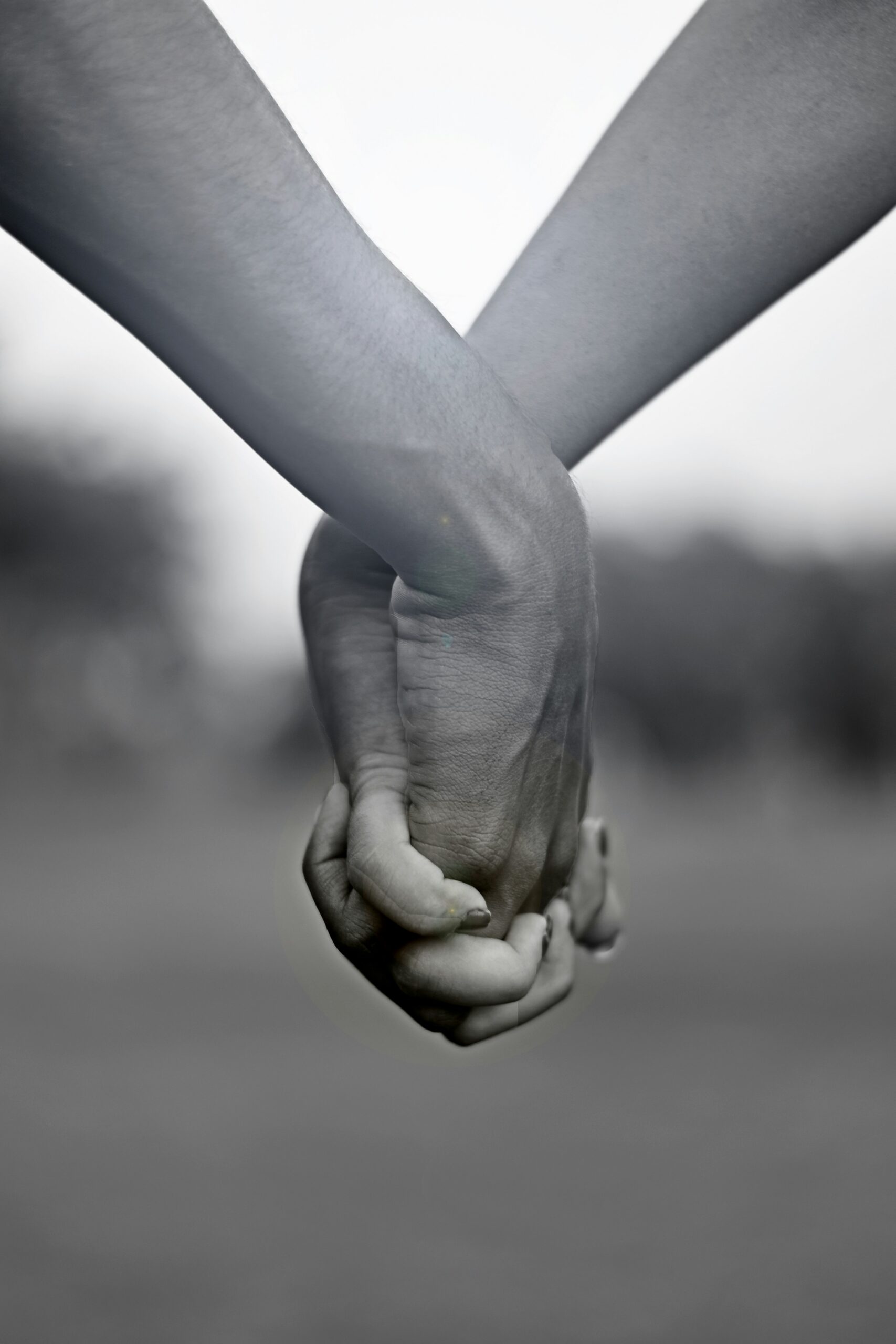
Are You Struggling To Make Meaningful Connections In Your Life?


Instead, we’re offered empty promises for human connection through social media, dating apps, and our cell phones—things that actually create disconnection. Over time, that slow erosion of community, social support networks, and direct interaction has facilitated an epidemic of loneliness.
Relationships Are So! Damn! Frustrating! Why Even Bother?

Next Question: Why Do I Need Counseling For Relationships?

Working with a relationship counselor helps you understand the origins of your relationship challenges, change unhelpful behaviors, and heal the hurt at the heart of your struggles. At the same time, therapy offers you a dedicated space of support—a chance to build more effective communication skills, learn how to say “no” without feeling guilty, and identify what you really want for yourself moving forward.
Relationship Counseling Is About Healing, Growth, And Transformation
Over the years, I’ve had countless clients come into individual relationship counseling for help navigating vastly different challenges. So I’ve pretty much worked with it all as a relationship therapist—from rebuilding trust and dating after divorce to healing childhood relational trauma and finding the right partner.
While those experiences taught me that human relationships are wildly complex, I also saw how working with a therapist helped people move past their pain and uncertainty into growth, insight, and change. That’s my hope for you. So whatever you are going through, I want to help you build healthier, more fulfilling relationships all around.
Message Received
For instance, maybe you’re trying to deal with current problems using coping skills you developed long ago, but you’re not getting anywhere. Working together, we can identify those old survival mechanisms, address the origins of those patterns, and customize healthier, more productive ways of coping that actually benefit you and your relationships.
I’m also very skill-based, so we can work on things like:
- Communicating wants, needs, and displeasure without guilt or fear.
- Advocating for yourself and dealing with conflict without trying to “win.”
- Bridging the disconnection and repairing relationships after a rupture.
- Recognizing your own dynamic in conflict and asking for forgiveness.
- Repairing trust, improving confidence, building empathy and shared respect.
How Does Individual Therapy For Relationship Issues Work?

To get to the bottom of things, I draw from several strategies:
- Attachment Theory looks at your early emotional attachments and how those experiences, relationships, and bonds influence current relationship dynamics.
- Cognitive Behavioral Therapy (CBT) enables us to challenge the way we respond to conflict and other relational stressors by consciously examining the link between our thoughts, actions, and behaviors.
- Polyvagal Theory for individuals with relationship trauma uses breathwork, mindfulness, and other grounding strategies to help regulate powerful emotions, re-establish a sense of emotional safety, and build stronger, more empathetic connections.
Over the years as a counselor, I've learned an immense amount about attachment theory, relationships, Gestalt work, and Object Relations—all of which greatly inform my approach to therapy as well.
What Tools And Methods Inform My Work In Relationship Counseling?

By working one-on-one within the context of a safe and trusting relationship, you’re giving yourself a chance to truly be seen and heard. You are stepping up to bravely look inside yourself, heal the unseen hurt, and be the person you truly are in the real world.
Deeper, More Profound Connections Are Out There Waiting For You
Still Have Reservations About Relationship Counseling?
In fact, in couples counseling, it’s common for partners to have their own individual therapist so they can process things they don't feel comfortable talking about yet.
I can’t get my partner/family member to attend relationship therapy—what should I do?
I really don’t want anyone to find out I’m seeing a relationship counselor.
We’re all just human beings doing the best we can, so please, don’t beat yourself up. You deserve to be happy, and from my point of view, stepping up and asking for assistance is one of the biggest acts of strength a person can demonstrate.
I worry what friends or family will think about me seeing a relationship therapist.
Message Received
Whether you’re dating after divorce, navigating challenges with your partner, or just trying to figure out what you want for yourself, individual therapy for relationship issues can be an incredible resource. To get started with your free, 15-minute consultation, call (843) 380-9949 or use the contact button below.
Michèle M. Vincent, LCSW, offers in-person and online relationship counseling for individuals in the Charleston area and throughout South Carolina as well as virtual appointments in Colorado.
Let Me Guide You Through The Confusion Toward Connection
Message Received
Recent Posts