What Is Depression and How Does It Affect Daily Life?
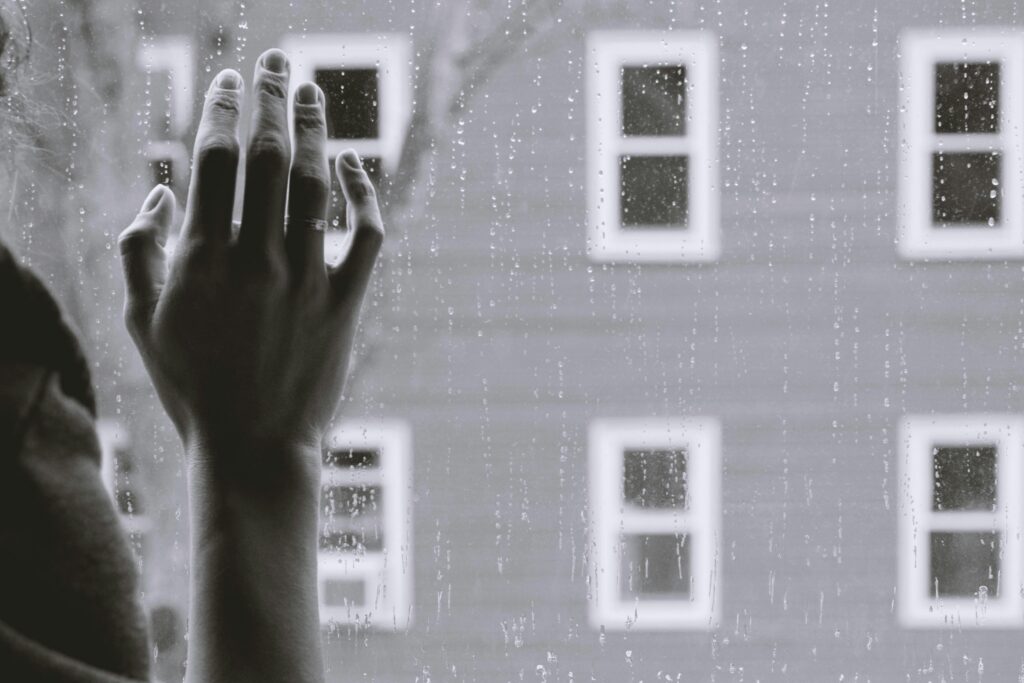
Depression is not a trivial thing. When you’re in the midst of a major depressive episode, it can touch virtually every part of your life, including your very sense of self. The impact can range from mild to severe, but one thing is consistent: quality of life suffers. And yet, many people still don’t seek help, held back by the belief that they should simply be able to “get over it.” That’s not how depression works, and understanding what it actually looks like can be the first step toward change.
Emotional and Psychological Symptoms
Depression shows up emotionally in ways that can be easy to dismiss or misattribute to other causes. The key is that these symptoms persist day after day. People experiencing depression often have:
- Persistent feelings of hopelessness
- Feelings of guilt or shame
- Low self-esteem
- Difficulty concentrating
- Difficulty making decisions
- A loss of pleasure in activities and hobbies
- A diminished sex drive
- Anxiety
- Self-harm and suicidal thoughts
Physical Symptoms
Depression manifests in the body as well. It is not just a mental state; your mind-body connection is affected by the inflammation and neuro-chemical imbalances depression brings. The most common symptoms include:
- Changes in appetite and weight
- Persistent fatigue and low energy
- Sleep disruptions, including difficulty falling or staying asleep
- Sleeping too much
- A slowing of movement and speech
- Agitation and irritability
- Physical aches and pains
How Depression Affects Work
In the workplace, depression can quietly erode performance. Meeting deadlines becomes harder, and confidence in your own abilities can drop. Tasks get put off. Punctuality suffers. A sense of indifference may set in, even toward achievements or opportunities that would normally feel meaningful.
Over time, these patterns can put employment at real risk. Depression-related job loss or missed opportunities are not uncommon, and the shame that often follows can deepen the depression itself. This is a cycle that’s hard to break without support.
How Depression Affects Relationships
Close relationships with partners, family, and friends can also be deeply affected by depression. Irritability is common, and when you’re depleted, it’s harder to show up for the people around you. The pull toward withdrawal and isolation can leave loved ones feeling shut out or confused.
In romantic relationships, mismatched energies and desires can quietly build resentment over time. And because depression often carries a sense of shame, many people find it difficult to talk openly about what they’re going through, which makes genuine emotional intimacy feel out of reach. The result can be a growing distance between partners, even when both people care deeply about each other.
Taking Care of Yourself
If any of this sounds familiar, try taking the first steps toward lifestyle changes that can better your mental health. Small consistent habits can make a difference:
- Maintain a regular sleep schedule
- Find a gentle physical activity that works for you, and stick with it
- Eat balanced meals with plenty of fresh fruits, vegetables, and Omega-3s
- Reach out to trusted friends you know you can be honest with
- Try to do your regular hobbies, even if you don’t find as much pleasure in them
Finding Your Way Forward
Depression is treatable, and you don’t need to go through this on your own. Therapy can make a difference.
Working with a therapist gives you the space to explore the roots of your depression. Together, you’ll work toward understanding what’s underneath your symptoms rather than just treating them. Together, you can develop coping strategies and identify the day-to-day changes that can shift how you feel. You don’t have to navigate this alone.
If you’re ready to take that step, depression therapy is available and can help you reclaim the life you deserve. Reach out today to get started.
(Photo credit: Kristina Tripkovic)


